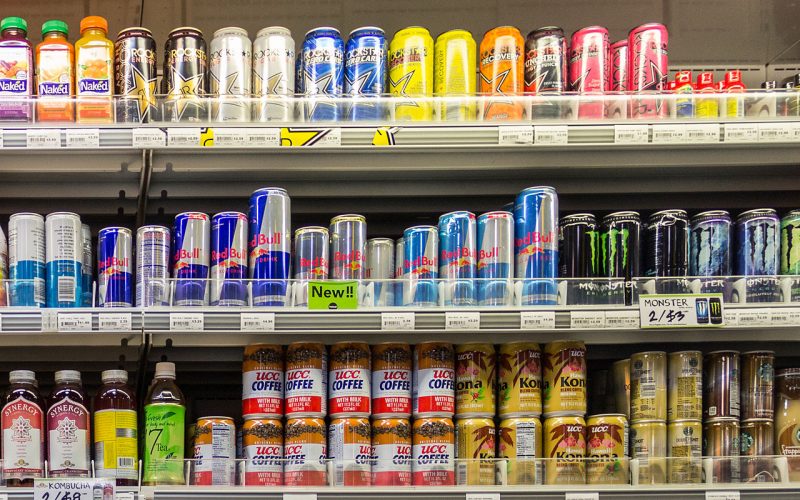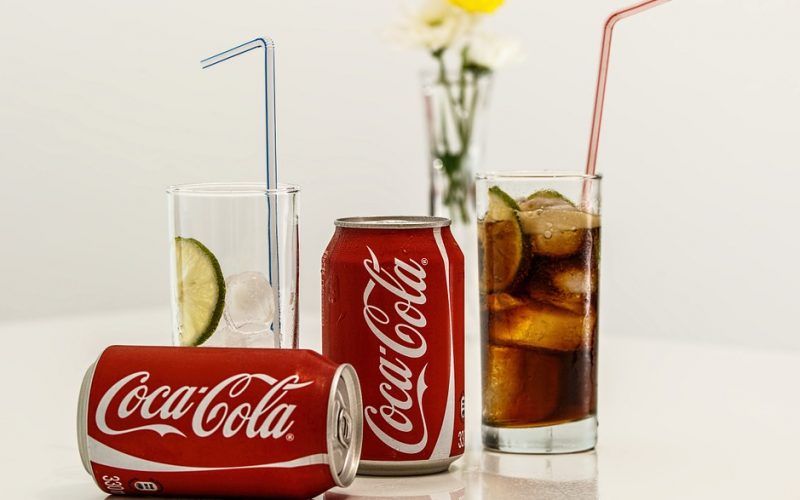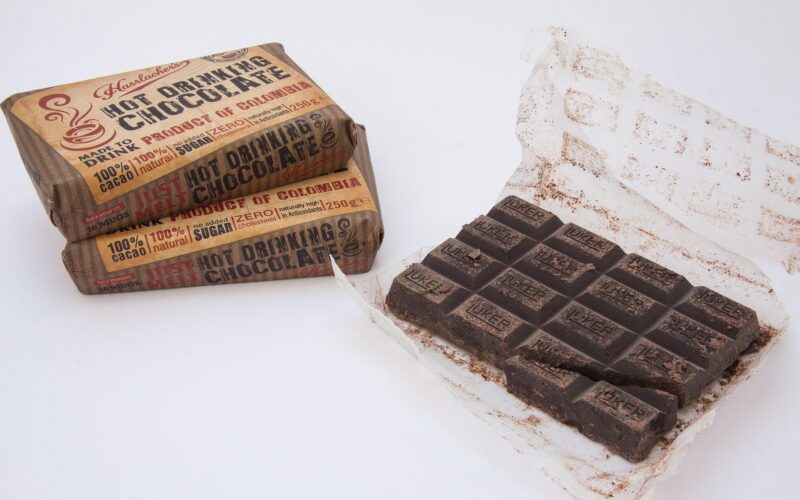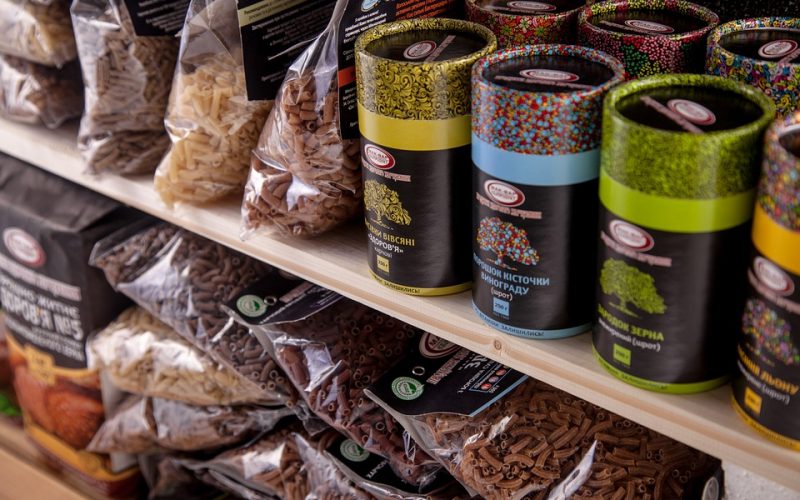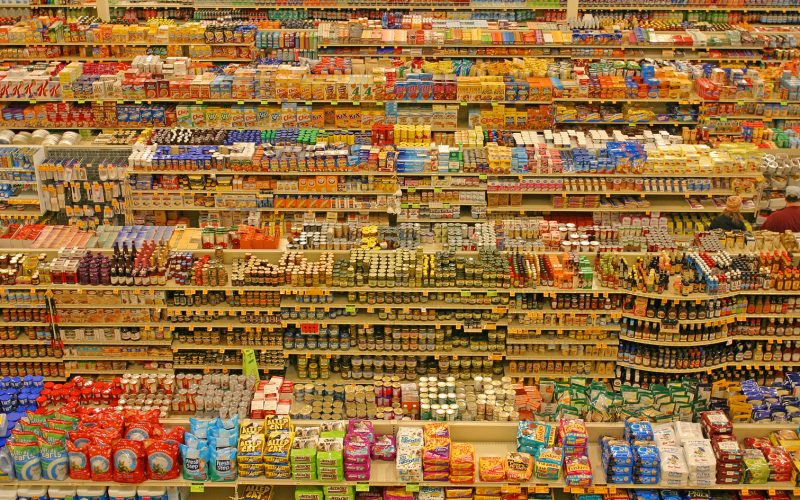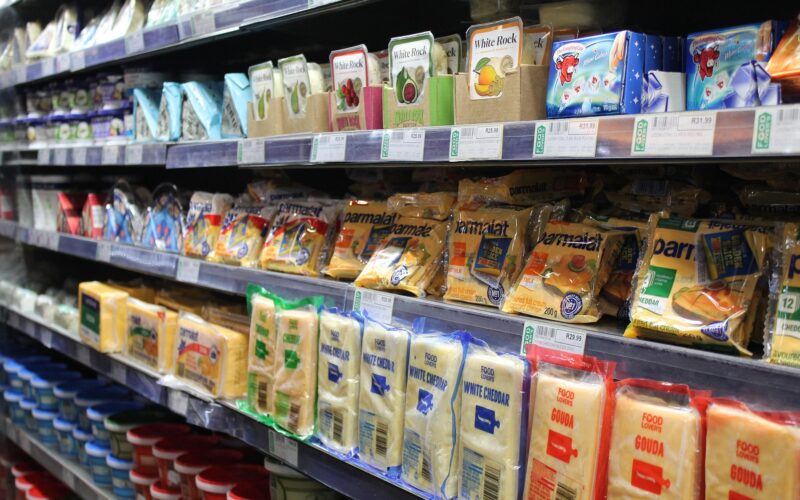
Walking down the aisles of any bustling supermarket, shoppers are instantly greeted by a colourful array of products competing for their attention. Before a consumer ever tastes a crumb or sips a drop, they make snap judgements based entirely on the external appearance of a product. This initial visual interaction is critical. In the highly competitive food industry, packaging serves as the silent ambassador of a brand, communicating core values, quality, and personality in a matter of seconds. It forms the crucial first touchpoint between a business and its potential buyers, making it an indispensable tool for establishing and enhancing brand identity over time.
The visual psychology of colour and typography
Every design choice on a food wrapper or box plays a specific role in shaping consumer perception. Colours evoke distinct emotional responses, allowing brands to subliminally communicate their essence without saying a single word. For instance, earthy tones like green and brown frequently signal organic, natural, or health-focused ingredients, appealing to environmentally conscious buyers. Meanwhile, vibrant hues like red and yellow are known to stimulate appetite and convey energy, making them highly popular choices for snack foods and fast-moving consumer goods. Paired with carefully selected typography, these visual elements create a cohesive narrative that speaks directly to the target demographic. A brand using elegant, minimalist fonts will project luxury and premium quality, whereas playful, rounded lettering suggests a fun, family-friendly product.
Aligning materials with company values
Beyond aesthetics, the physical materials used to house a food product speak volumes about a company. Modern consumers are increasingly scrutinising the environmental impact of their purchases, prompting a massive shift towards sustainable packaging solutions across the retail landscape. When a brand opts for biodegradable, compostable, or easily recyclable materials, it clearly signals a strict commitment to ecological responsibility. This tangible demonstration of corporate ethics resonates deeply with eco-aware shoppers, effectively enhancing brand loyalty and trust. Alternatively, heavy glass jars or sturdy metallic tins are often utilised by artisanal producers to signify heritage, durability, and a premium market position, proving that the medium itself is just as important as the visual message printed on it.
Establishing trust through transparency and function
Packaging must balance form with function to truly strengthen a brand. Practical elements such as resealable zippers, easy-pour spouts, or microwave-safe containers demonstrate a deep understanding of consumer convenience, which in turn fosters highly positive brand associations. Furthermore, transparency in both a literal and figurative sense builds an enormous amount of trust. Transparent windows on a box allow cautious shoppers to physically inspect the food inside, removing the anxiety of the unknown and proving that the manufacturer has nothing to hide from the public. Clear, honest labelling regarding nutritional information and ingredient sourcing further reinforces this sense of trust, establishing the brand as reliable and straightforward in an era where consumers are highly sceptical of misleading claims.
Commanding attention on crowded retail shelves
To survive in the crowded food sector, a product must possess exceptional shelf presence to draw buyers in. Distinctive packaging shapes and unconventional structural designs disrupt the visual monotony of standard supermarket displays, drawing the eye and inviting physical interaction from passersby. When a brand consistently uses a unique silhouette or a specific structural quirk across its entire product line, it actively builds immediate visual recognition. Over time, regular shoppers learn to identify the brand from a significant distance without even needing to read the printed logo. This level of instant recognition is the ultimate goal of brand identity, ensuring that the product remains front of mind whenever a routine purchasing decision is made.
Turning every purchase into a memorable experience
The role of packaging extends far beyond the checkout counter, continuing straight into the consumer's home environment. The tactile sensation of opening a thoughtfully designed product contributes heavily to the overall user experience, adding a lovely sense of occasion to ordinary consumption. Small details, such as a satisfying auditory click when a lid is closed securely or a hidden message printed on the inside of a carton, leave lasting positive impressions. These thoughtful design touches transform a simple food item into a memorable event, organically encouraging repeat purchases and enthusiastic word-of-mouth recommendations. Ultimately, by viewing packaging not just as a protective shell but as a dynamic marketing asset, food businesses can easily cement a powerful, enduring brand identity.