The fundamental role of food packaging goes far beyond mere aesthetics or basic logistics. Every wrapper, bottle, and carton serves a highly complex function in maintaining the integrity of the food we consume daily. Consumers often overlook the engineering behind these everyday materials, yet they play an essential role in delivering safe and appealing goods to local shop shelves. Understanding the science and strategy behind modern packaging reveals exactly how it shields delicate contents from external threats, extends product shelf life, and communicates vital brand information to prospective buyers. Effective packaging is the silent guardian of our food supply.
Shielding goods from physical and environmental damage
Protection remains the primary objective of any food packaging solution. Throughout the journey from the manufacturing facility to the final retail destination, products face numerous physical hazards including impacts, vibration, and heavy compression. Rigid materials like corrugated cardboard and sturdy plastics absorb these transport shocks, ensuring that delicate items arrive completely intact. Furthermore, packaging acts as an impenetrable barrier against harsh environmental factors such as excess moisture, ultraviolet light, and ambient oxygen. Prolonged exposure to these natural elements rapidly degrades overall food quality, making protective exterior layers indispensable for maintaining optimal freshness and preventing harmful external contamination.
Extending shelf life through advanced preservation techniques
Preserving food safely for extended periods requires highly specialised materials specifically designed to inhibit spoilage and slow bacterial growth. Remarkable industry innovations such as modified atmosphere packaging alter the internal environment of a sealed container by replacing oxygen with beneficial inert gases like nitrogen. This advanced technique drastically slows the natural oxidation process and significantly delays the deterioration of perishable goods such as raw meat and fresh produce. Vacuum sealing offers another effective preservation method, completely removing surrounding air to stop the multiplication of aerobic microorganisms. Such technological advancements actively help reduce global food waste by giving products a significantly longer viable lifespan.
Driving consumer engagement and brand recognition
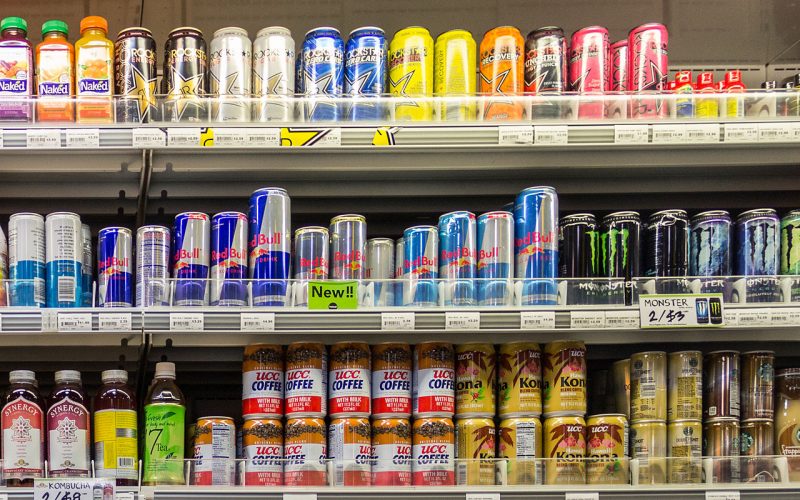
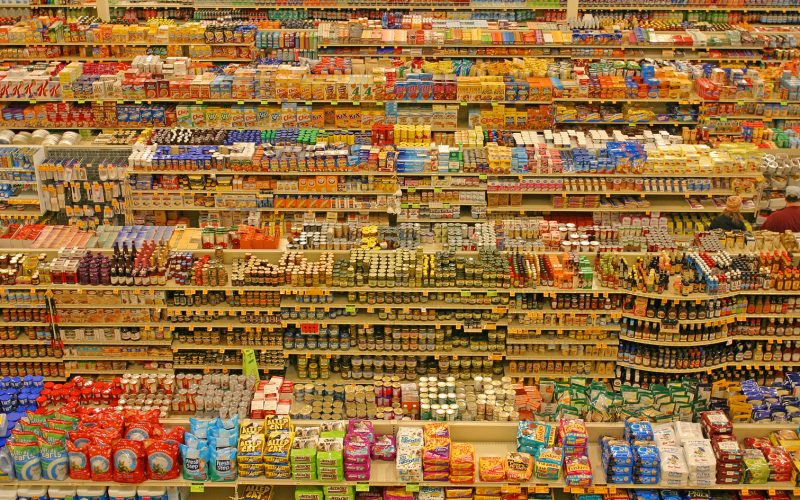
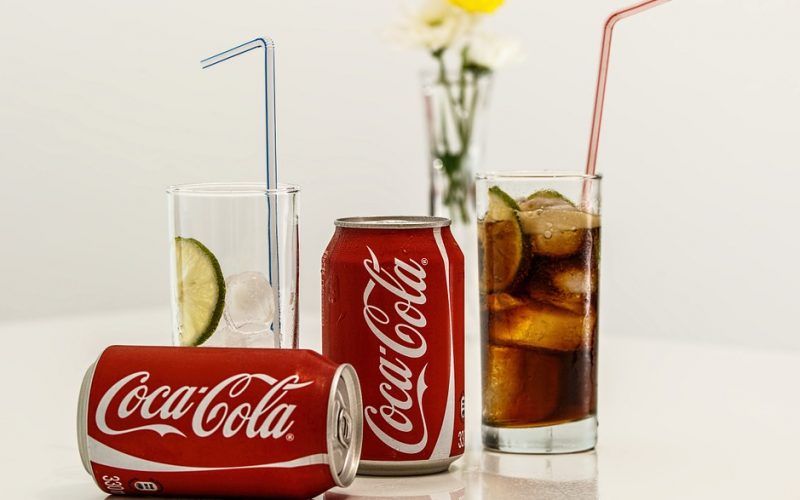
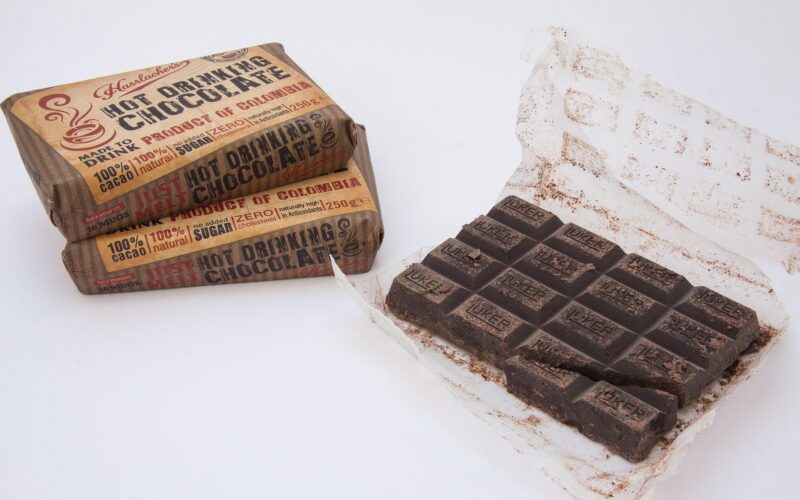
While structural integrity matters immensely for safety, packaging simultaneously functions as a highly visible marketing tool that actively promotes the enclosed product to potential buyers. The exterior design represents the first point of contact between a food brand and a browsing consumer, making it a major determining factor in purchasing decisions. Clever use of vibrant colours, bold typography, and appetising imagery can evoke specific emotional responses and convey core brand values almost instantly. A designed label not only captures immediate attention on a heavily crowded supermarket shelf but also establishes a strong brand identity, actively encouraging customer loyalty and consistent repeat purchases.
Communicating essential nutritional and safety details
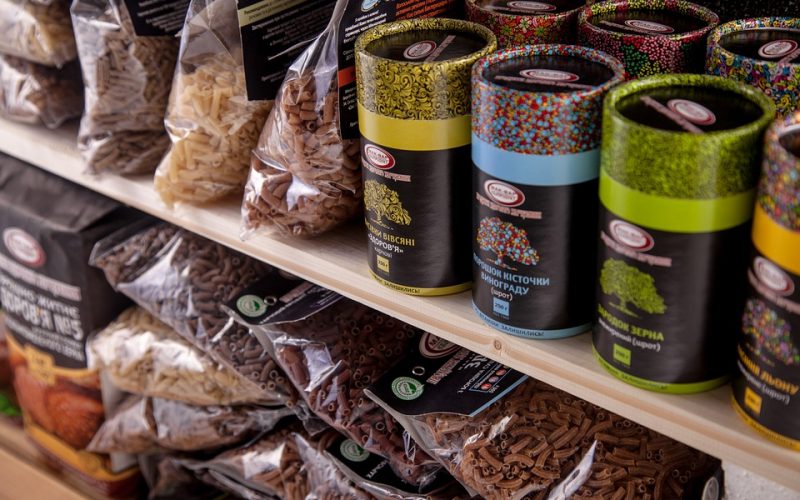
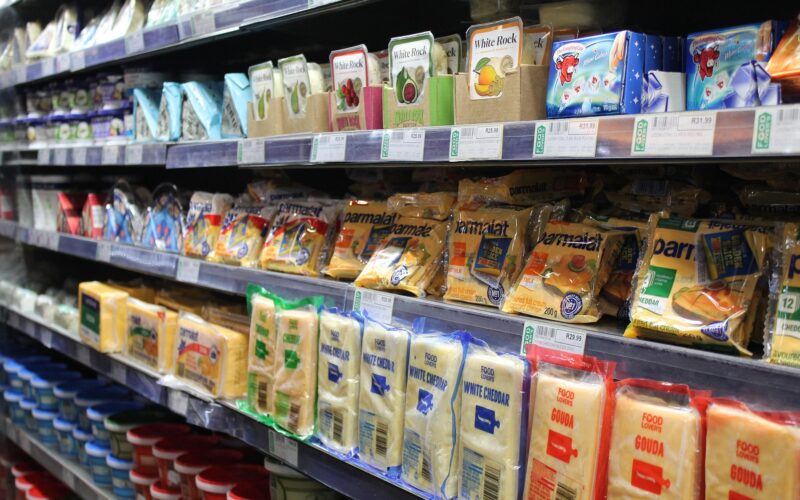
Beyond visual appeal, packaging serves as a vital, legally required communication channel for necessary product information. Strict national food safety regulations mandate the clear inclusion of specific details such as comprehensive ingredient lists, exact nutritional values, critical allergen warnings, and accurate expiry dates. This complete transparency empowers consumers to make highly informed dietary choices and actively protects vulnerable individuals with severe food allergies from accidental exposure. Food manufacturers also utilise this valuable printed space to highlight special industry certifications, such as organic or fair-trade status, which further promote the product to ethically minded shoppers seeking specific quality standards.
Choosing the right packaging for future success
The intersection of physical protection, chemical preservation, and visual promotion makes packaging one of the most vital components of the entire food manufacturing industry. As modern consumer demands rapidly shift towards more sustainable and recyclable options, forward-thinking businesses must carefully balance these three core operational functions with environmentally friendly material choices. Investing in the correct packaging solutions ensures that consumable food remains entirely safe, looks appealing, and retains its full nutritional value from the factory floor all the way to the family dining table. Evaluating your current packaging strategy could be the crucial next step in reducing corporate waste and boosting long-term sales.